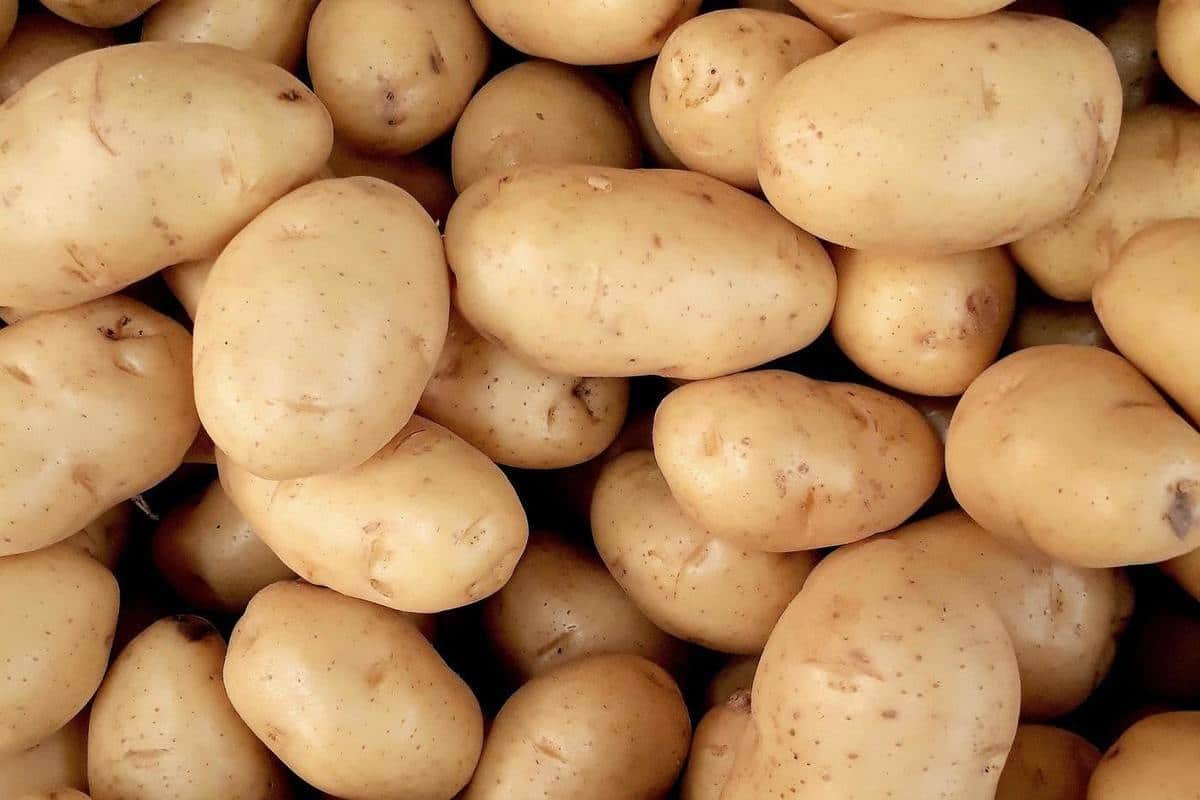
The global potato trade is evolving rapidly, driven by changing consumer demands, technological advancements, and shifting supply chain dynamics. As one of Pakistan’s leading potato exporters, we analyze the future of potato exports, exploring key trends, challenges, and opportunities that will shape the industry in the coming years.
Whether you’re an importer, distributor, or food processor, understanding these developments will help you make informed sourcing decisions.
1. Emerging Trends in Potato Exports
A. Rising Global Demand for Processed Potatoes
- The frozen potato market (fries, chips, wedges) is growing, especially in fast-food chains.
- Dehydrated and flaked potatoes are gaining popularity for instant food products.
- Pakistan is increasing its processing capabilities to meet this demand.
B. Shift Towards Organic & Non-GMO Potatoes
- Health-conscious consumers are driving demand for organic and chemical-free potatoes.
- European and Middle Eastern markets prefer sustainably grown potatoes.
- Pakistani farmers are adopting better agricultural practices to cater to this niche.
C. Halal-Certified Potato Exports on the Rise
- Islamic countries (UAE, Saudi Arabia, Malaysia) prioritize Halal-certified food, including potatoes.
- Pakistan’s Halal-compliant farming and processing give it an advantage in these markets.
D. Technology & Smart Farming
- Precision agriculture (drones, IoT sensors) improves yield and reduces waste.
- Blockchain for supply chain transparency—buyers can trace potato origins.
- Pakistan is gradually adopting these technologies to enhance export quality.
2. Key Challenges in Potato Exports
A. Climate Change & Unpredictable Harvests
- Erratic weather affects potato yields, leading to supply fluctuations.
- Pakistani exporters must invest in climate-resilient farming techniques.
B. Strict International Quality Standards
- Markets like the EU and USA enforce strict pesticide residue limits.
- Pakistani farmers need better post-harvest handling to meet these standards.
C. Logistics & Supply Chain Bottlenecks
- High shipping costs and port delays impact profitability.
- Proper cold storage and packaging are crucial to prevent spoilage during transit.
D. Competition from Other Exporting Nations
- Netherlands, China, and India dominate global potato exports.
- Pakistan must differentiate through quality, pricing, and Halal certification.
3. Opportunities for Pakistani Potato Exporters
A. Expanding into New Markets
- Africa (Nigeria, Egypt) – Growing demand for affordable potatoes.
- Central Asia (Kazakhstan, Uzbekistan) – Emerging economies with high consumption.
- Southeast Asia (Indonesia, Vietnam) – Rising fast-food industry needs processed potatoes.
B. Value-Added Potato Products
- Investing in frozen fries, potato starch, and snacks can increase export revenue.
- Partnerships with international food brands can open new business avenues.
C. Government & Industry Support
- Pakistan’s Trade Development Authority (TDAP) promotes agri-exports.
- Subsidies on cold storage and processing units can boost competitiveness.
D. Sustainable & Ethical Farming Practices
- Fair Trade certification can attract European buyers.
- Water-efficient irrigation (drip systems) reduces costs and appeals to eco-conscious markets.
Conclusion: Why Pakistan is a Key Player in the Future of Potato Exports
Despite challenges, Pakistan’s potato industry has immense potential due to:
✔ High-quality, cost-competitive potatoes
✔ Growing Halal-certified food demand
✔ Expanding processing capabilities
✔ Strategic geographic location for exports to Asia, Middle East & Africa
As a trusted Pakistani potato exporter, we are committed to innovation, quality, and reliability in the global market.